
Introduction
One of the most vital than principles of successful investing is portfolio diversification. It is a term used to describe the diversification of investments in various assets, industries and geographic locations to lessen the risk and enhance prospects of higher returns. The concept of diversification is quite straightforward: investors do not risk all their money in one investment because in the case of poor performance in one field, the gains in another can offset the poor performance. This is one way of cushioning the investors against market fluctuations and sudden financial crises.
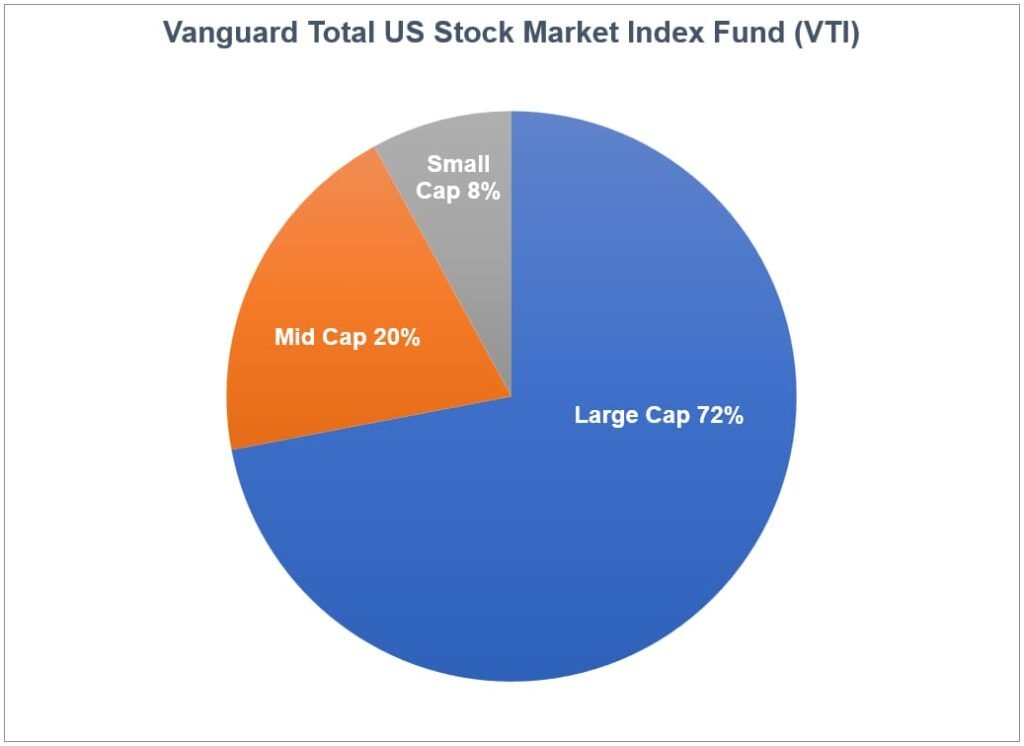
Diversification has become even greater today in the unpredictable financial environment. There are so many factors that affect markets including economic levels, interest rates, geopolitics, and changes in technology. Due to this uncertainty, a diversified Portfolio Diversification may allow investors to be stable and at the same time take a long-term growth. Effective diversification strategies that are understood and implemented have the ability to enable investors to establish stronger portfolios and pursue their financial objectives with higher confidence.
Learning the Concept of Diversification
The concept of diversification is effective because it involves varying forms of investments that respond differently to the market environment. A poor performance of one type of asset can be compensated by a good performance of another, which will decrease the total effect of loss in a portfolio. As of an illustrative example, when an economy is slowing down, there can be a fall in stocks, a stabilization of bonds or commodities, or even an increase in value.
Being diversified does not make a person risk-averse, but the risks of massive financial losses are minimal. The key goal is to balance both risk and reward through the investment in different categories. This is a very useful strategy especially to the long term investors who would desire to have steady growth but still avoid being affected by fluctuations in the market.
Effective diversification must be planned and monitored on a regular basis. Some of the factors that investors need to put into consideration when developing a diversified Portfolio Diversification include their financial objectives, the degree of risk they are willing to bear, time frame of investment, and the market environment.
Diversification of the Asset classes
Investing in various classes of assets is one of the best diversification techniques. There are asset classes of stocks, bonds, and real estate, commodities and cash equivalents. The various classes of assets do not behave equally in any given economic environment.
Stocks are normally identified with higher returns but also have higher risk. They can be used by investors who are long-term growth oriented. Bonds on the other hand are said to be more secure and give regular income in the form of interest. Real estate investments involve a possibility of both income and valuation of property whereas commodities like gold usually work as a buffer against inflation.
Investments made in these asset classes will enable investors to have a balanced Portfolio Diversificationthat will work well in various economic conditions. Bonds or commodi ties can be used as a stabilizer when the stocks fall and this will ensure that the value of the portfolio does not fall.
Diversification in the Asset Classes
The diversification ought not to be confined to the asset class level. It is also important that the investors diversify each asset category in order to mitigate further risk. To illustrate this, in the stock market, an investor has the option of diversifying their investments in various areas due to technology, healthcare, finance, energy and consumer goods.
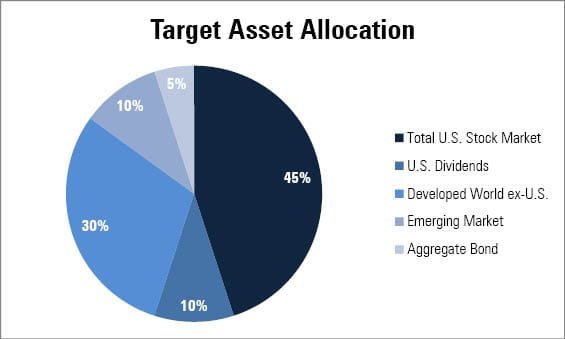
Various industries react in a different manner to economic changes. In periods of technological improvement, the technology firms can perform well and in periods of a healthcare crisis, the health stocks can outperform the others. The investors lower the risk of depending on a single industry by investing in multiple industries.
In like manner, in the bond market, the investor can diversify through the bonds of the government, the corporate bonds and the municipal bonds. The various kinds of bonds have varying risks and returns. The internal diversification enhances the stability of the entire investment portfolio.
Geographic Diversification
Second important diversification is to invest in other geographical areas. Markets in the world do not necessarily trend the same way. Economic growth of one nation can be experienced when another nation has a slow growth.
When investors invest in foreign markets, they are getting the advantage of exploiting foreign markets that are not in their home economy. Developed markets are usually stable whereas the emerging markets offer greater growth potential. Having the two in a Portfolio Diversification gives the investor an opportunity to realize world growth and decrease the dependency on one economy.
Another effect of geographic diversification is that it insulates the investor against country-specific risks, which include political instability, currency fluctuations, or changes in regulations.
The importance of Exchange-Traded Funds and Mutual Funds
Mutual funds and exchange-traded funds are very strong instruments in attaining diversification. Such investment vehicles accumulate the capital of a number of investors and invest in very diverse assets. Consequently, one fund can be used to expose hundreds of securities.
These funds are a convenient, inexpensive form of diversification in the Portfolio Diversification of an inexperienced investor as they do not require one to buy stocks or bonds separately. Indeed, such index funds as those that track the performance of major market indices offer a broad market exposure.
Through the diversified funds, investors are able to make fewer decisions when managing several separate investments and still have a balanced portfolio. The funds can be particularly handy to the long-term investors who desire gradual growth with minimal management input.
Rebalancing the Portfolio
Diversification is not a single undertaking. The asset allocation of a portfolio may change with time as a result of the performance of various investments. As an example, when the stocks have done very well, they might start occupying a bigger percentage of the Portfolio Diversification than it was intended.
Rebalancing of a portfolio entails the adjustment of the investments to achieve a desirable level of allocation of the assets. This can be selling of assets that have increased substantially and investing the proceeds in underrepresented regions.
Frequent rebalancing will allow the desired level of risk to be maintained and allow diversification to persist. It also promotes discipline in investing since investors can not be too focused on a particular asset class or industry.
Conclusion
Diversification of a Portfolio Diversification deals is one of the basic approaches to creating a powerful and robust investment portfolio. Diversification of investment in various asset categories, industries, geographic locations and investment styles allows the investor to minimize the risk and enhance the growth prospects in the long term.
Effective diversification involves proper planning, constant monitoring and rebalancing of the asset allocation to ensure that one achieves the desired ratio. Investment vehicles like mutual funds and exchange-traded funds have rendered diversification more accessible than ever before courtesy of modern investment tools.

Diversification is one of the surest means of safeguarding investments in an unsure financial environment in order to ensure sustainable financial performance. When investors pursue well-organized diversification plans, they stand in a better position to overcome the market volatility and create a long-term wealth.